Ideal Flooring Choices for Portable Residences
Portable homes, whether they're tiny houses on wheels, transformed vans, mobile cabins, or park designs, live a different life than a traditional residence. They bend on the road, change with temperature level swings, and need to remain light sufficient to tow or transport securely. That indicates the flooring you pick can not just look excellent in pictures. It has to endure vibration, moisture, weight restrictions, and the occasional muddy boot without crumbling. Here's a sensible check out the flooring products that really hold up in a mobile home, along with the compromises worth understanding prior to you get.
Why Portable Home Flooring Is a Various Challenge
Normal homes rest on a dealt with structure. Portable homes do not. Every mile on the road places stress on joints, subfloors, and adhesives that a stationary residence never experiences. Weight is additionally a constant problem, because larger flooring eats into your haul capacity and influences towing or fuel performance. On top of that, mobile homes are more revealed to humidity swings, condensation, and temperature level extremes, especially if they're utilized seasonally or in diverse climates. Any kind of flooring selection needs to represent every one of this, not just appearances.
High-end Plastic Plank (LVP)
High-end plastic plank has actually become the go-to selection for many small home and RV home builders, and forever reason. It's water-proof, lightweight, and versatile adequate to handle minor activity without cracking. LVP likewise resembles the look of hardwood or rock well, so you don't have to give up style for sturdiness. Click-lock variations install rapidly without adhesive, which is helpful when you're operating in a tight area. The major downside is that less expensive LVP can really feel much less premium underfoot and may damage under hefty furnishings, so it's worth purchasing a mid-range or higher-quality item ranked for residential use.
Engineered Hardwood
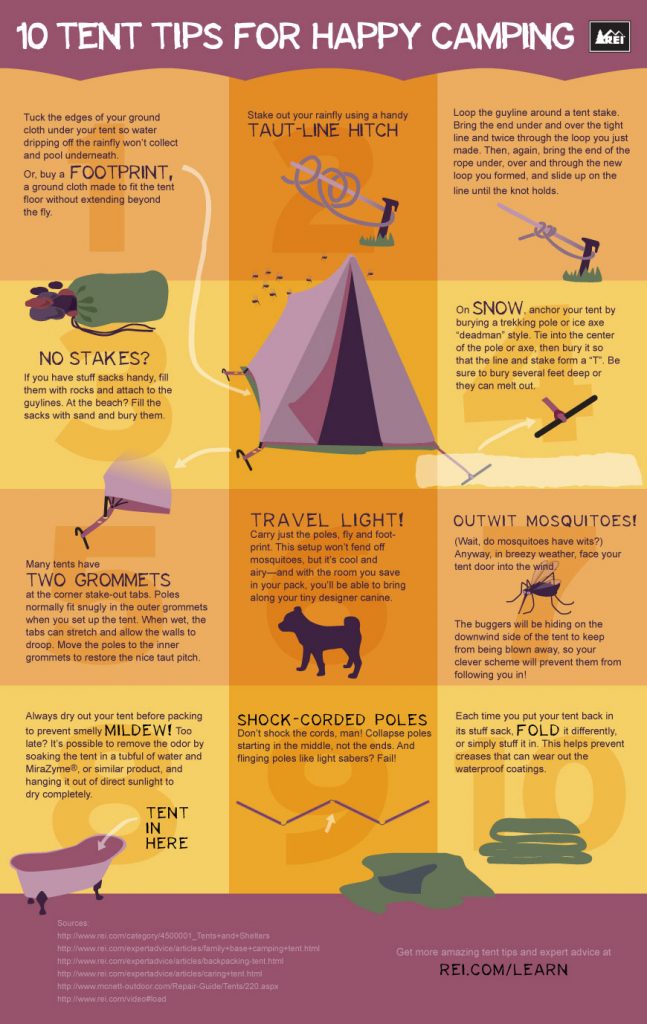
If you desire the heat and personality of real wood without the instability, engineered wood is a strong happy medium. Unlike solid hardwood, it's integrated in layers that stand up to bending from humidity and temperature modifications, that makes it even more flexible in a mobile setup. It's heavier than vinyl, though, so it's much better matched to bigger tiny homes or park models where weight isn't as firmly restricted. Correct acclimation before installation and a versatile underlayment tent for 8 persons are crucial to stop voids or distorting with time.
Laminate Floor covering
Laminate is another budget-friendly option that holds up fairly well in portable homes, especially more recent waterproof variations. It's scratch-resistant, very easy to tidy, and readily available in a wide variety of finishes. The catch is that laminate isn't fully water resistant, so it's not optimal near entrances, kitchen areas, or shower rooms where spills prevail. If you go this path, get it for drier areas of the home and set it with an excellent dampness obstacle below.
Sheet Plastic and Plastic Ceramic tile
Sheet plastic has actually long been a staple in Recreational vehicles and mobile homes since it's low-cost, totally water-proof, and basic to set up. Plastic ceramic tile provides similar benefits with a bit extra layout adaptability, given that specific ceramic tiles can be changed if damaged. Both options are lightweight and flexible of small subfloor blemishes, which is common in portable structures. The compromise is a much less exceptional feeling compared to LVP, though modern printing techniques have actually shut that space significantly.
Cork Flooring
Cork is a much less standard however progressively popular selection for eco-conscious mobile property owner. It's naturally insulating, which aids manage temperature in small rooms, and it has a mild provide underfoot that's comfortable for standing or resting. Cork is additionally sustainable and naturally degradable, appealing to those focusing on sustainability. It does need a good sealer to secure against moisture, and it's not as impact-resistant as plastic, so it may not be the best suitable for high-traffic entrance areas.
Weight, Subfloor, and Environment Factors to consider
Beyond product option, a few sensible aspects matter equally as much. Constantly check your home's complete weight capacity before devoting to a larger material like floor tile or wood. A secure, well-sealed subfloor is necessary, because portable homes are prone to bending that can loosen inadequately protected flooring. If you take a trip between environments, prioritize products ranked for humidity and temperature level swings rather than ones made simply for fixed indoor use.
Selecting What's Right for Your Space
There's no solitary best floor covering for every mobile home. A weekend camper van gain from lightweight, fully water-proof plastic, while a full time tiny house might validate the added weight of engineered wood for long-lasting convenience. Think about just how you'll utilize the room, exactly how usually it moves, and what environment it will encounter, then match the product to those facts instead of picking based on fad alone. The best floor covering will quietly do its task for years, allowing you concentrate on whatever else that makes a mobile home feel like home.